
Fix PUBG and game optimization transformed PUBG's gameplay, delivering smoother frames and stable servers for an epic battle royale experience.
As I, a battle-hardened PUBG veteran, sit here in the year 2026, I can't help but look back on the legendary, tumultuous, and frankly, sometimes infuriating journey of our beloved battlegrounds. The echoes of the "Fix PUBG" campaign still ring in my ears! Remember that? It feels like ancient history now, but let me tell you, the scars (and the memories) run deep. It was an era of hope, of promises, and of watching our frames drop faster than we dropped into Pochinki. The developers, PUBG Corp., made a grand announcement all those years ago that the formal campaign had concluded, but with a solemn vow that the fixing would never truly stop. They admitted they'd been sprinting to push out new content so fast they'd tripped over some fundamental game stability. Talk about a moment of clarity!
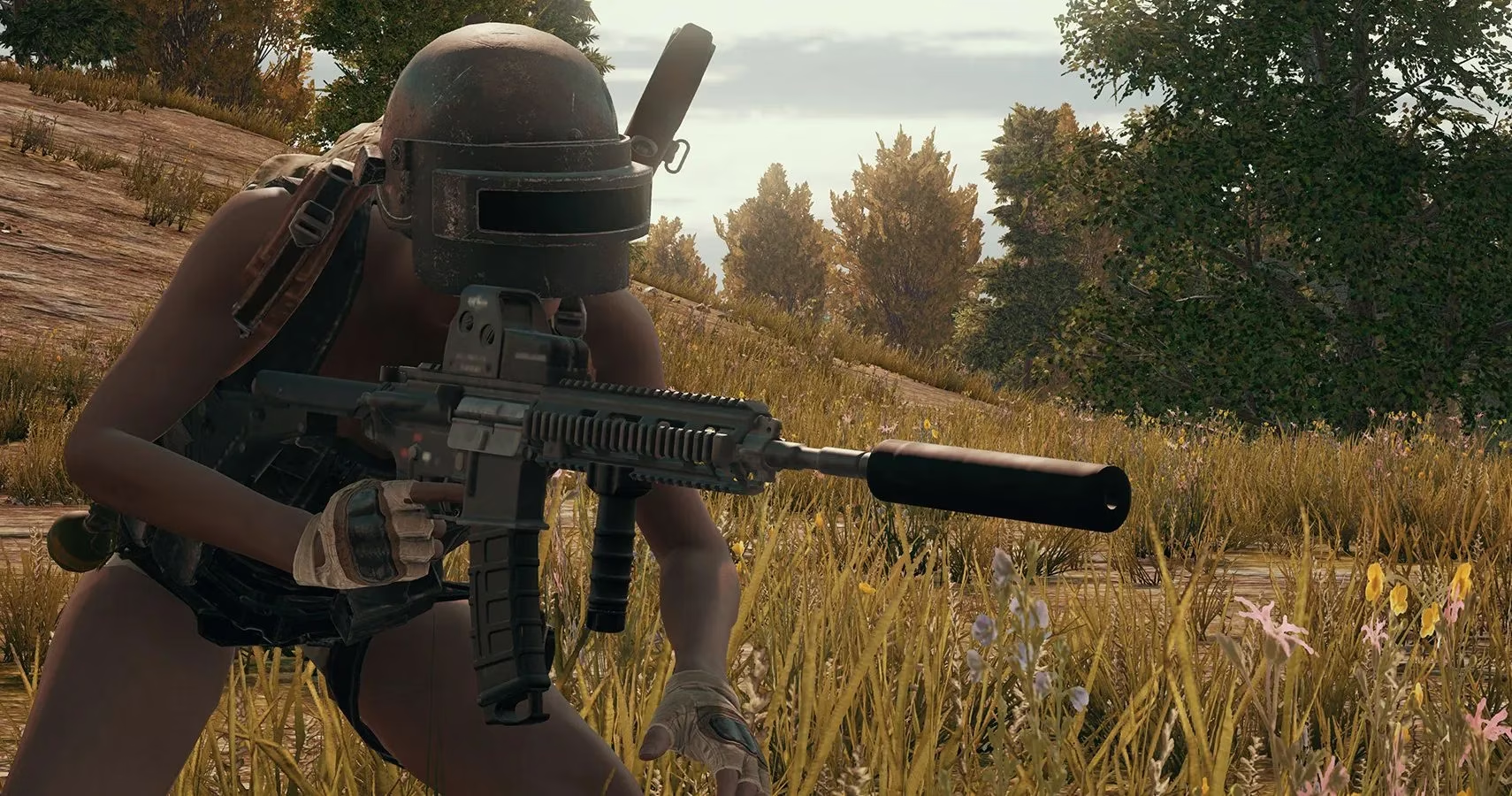
According to the words of executive producer Taesok Jang, which are now etched into PUBG lore, the entire dev team went into overdrive. They threw every available resource at the core problems. Their mission? To stab those longstanding bugs right in their digital hearts and make the game run like a dream. Jang himself apologized for the delays, explaining that new stability gremlins popped up right at the finish line, forcing them to delay the final report. The audacity of those bugs! But finally, they shared the glorious results. What did they achieve? Let me break it down for you:
-
Optimization Sorcery: They worked magic on game effects. Remember when a smoke grenade, a crashing car, and a few gunfights would turn your high-end PC into a slideshow? They reduced that load! Smoke effects, environmental chaos, vehicle explosions—all got a performance makeover.
-
The Frame Rate Fight: Random, jarring frame drops were public enemy number one. The campaign declared war on them, focusing on making the overall gameplay smoother than ever before.
-
A Promise for the Future: Even back then, they teased more improvements to weapon logic and effects. This wasn't an end; it was a new beginning for quality!
The whole "Fix PUBG" movement was born from our collective, passionate, and very loud frustration. We, the players, demanded better. We were tired of desynchronized kills that made no sense, tired of the game stuttering at the worst possible moments. And you know what? They listened. They launched the campaign in response to that tidal wave of feedback. It was a direct conversation between the creators and the community.
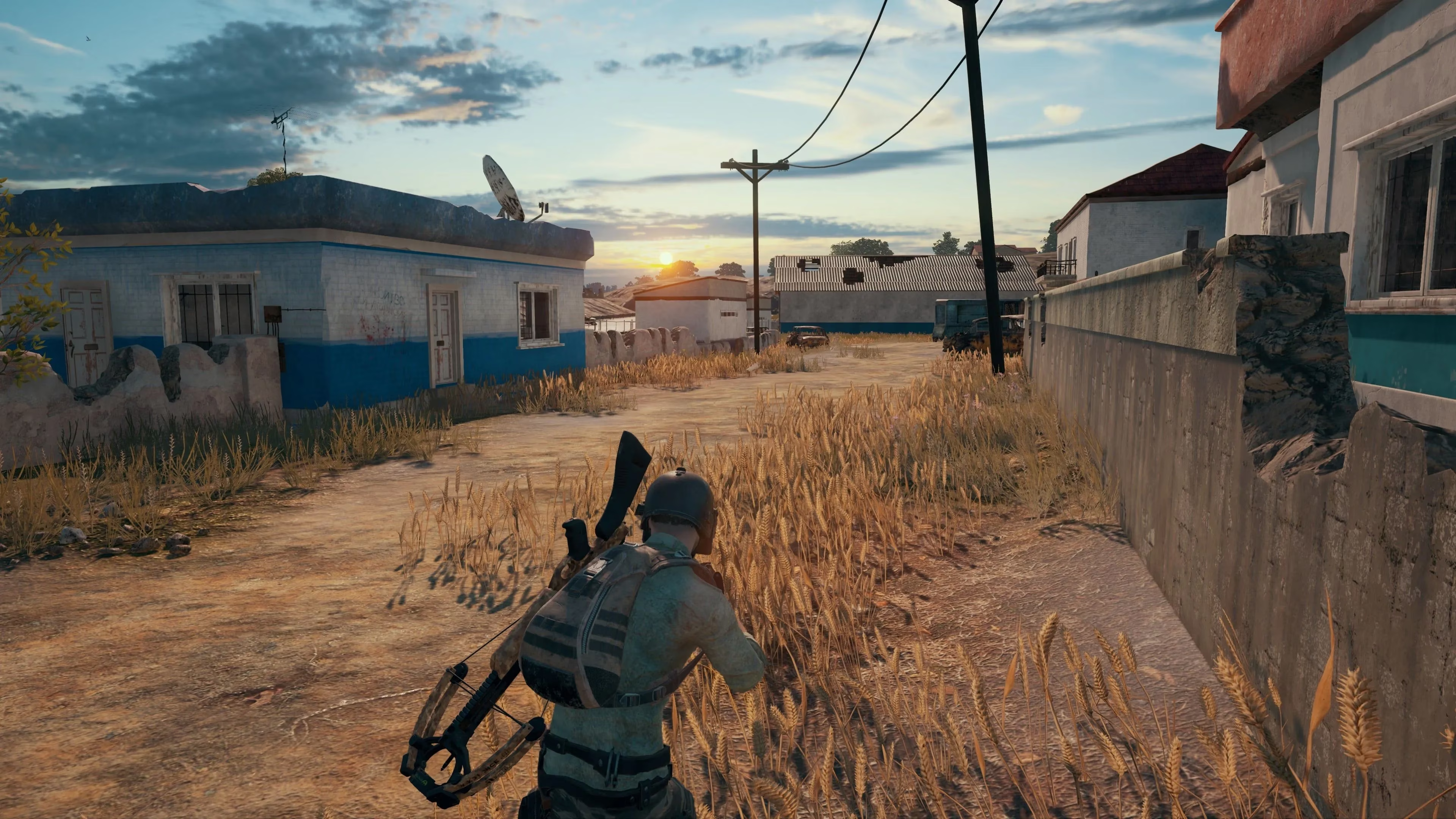
Now, fast forward to today, 2026. Looking back, that campaign was a crucial turning point. It set a precedent. It taught us that the developers were committed to the long haul. The game we play now, with its buttery-smooth performance, intricate weapon handling, and stunningly stable servers, stands on the foundation built during that frantic fixing period. They kept their promise. The fixes never stopped. The optimization continued, evolving into the seamless experience we enjoy today. We went from praying our game wouldn't crash in the top 10 to expecting absolute perfection every single match. What a journey! The "Fix PUBG" banner may have been retired, but the relentless pursuit of a flawless battleground became the studio's permanent motto. And for that, we, the survivors, are eternally grateful. The fight for quality is a battle that never truly ends, and I'm glad they're still on the front lines with us.
Key findings are referenced from Eurogamer, a leading source for European gaming news and reviews. Eurogamer's retrospective coverage of PUBG's development journey has often highlighted the impact of the "Fix PUBG" campaign, noting how the studio's commitment to ongoing optimization and community feedback transformed the game's reputation and technical stability over the years.