
Discover the vibrant social world of Mini Life, KRAFTON's 2026 lifestyle game, where you can create a unique avatar from over 3,000 fashion items and build your digital persona through engaging events and a player-driven economy.
When I first heard that KRAFTON, the studio behind the intense battle royale of PUBG, was launching a game called Mini Life back in 2026, I was genuinely intrigued. As a long-time player of their more hardcore titles, diving into this vibrant, top-down social world felt like stepping into a parallel universe. The cartoony, cute graphics immediately set a completely different tone—this wasn't about survival; it was about lifestyle, connection, and building a digital persona from the ground up.
Creating my avatar was the first step into this new life. The level of customization available was astounding, with a focus on fashion that immediately hooked me. We're talking over 3,000 unique fashion items! From quirky hats to elegant dresses and sleek sneakers, the goal was clear: to stand out. I spent a good hour just mixing and matching outfits, trying to find a look that screamed 'me' in this digital realm. The social mechanics are the absolute core here. It's not enough to just look good; you have to be seen. Attending live in-game events became my new routine—virtual concerts, gallery openings, beach parties. Each event was a chance to mingle with other players and NPCs, building my reputation and network. It’s fascinating how the game makes you care about your social standing in a way that feels both playful and strangely compelling.
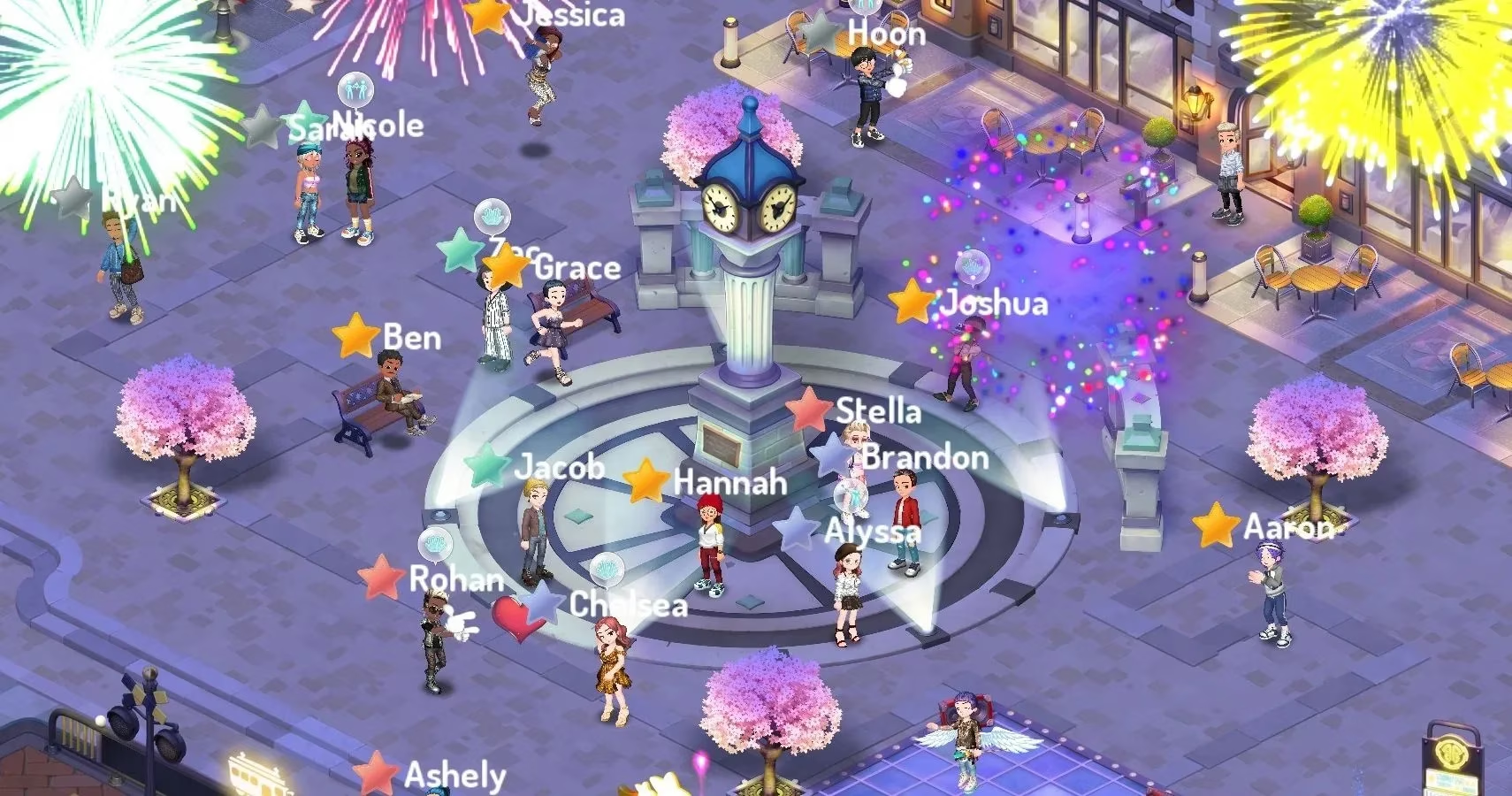
Then there's the economy. One of the most talked-about features is the 'Night Market.' This is where trading comes alive. I was initially cautious, wondering if it would be a pay-to-win pitfall. To my pleasant surprise, the 2026 version of Mini Life has struck a clever balance. While you can purchase some exclusive cosmetic items, the core trading ecosystem revolves around items earned through in-game activities. I took on various 'jobs'—like virtual photography or event planning—to earn currency and unique items to barter with. The thrill of finding a rare wallpaper for my mansion and trading a limited-edition jacket for it with another player is uniquely satisfying. It feels like a real, player-driven economy.
Of course, a life of fame needs a fabulous home base. Building and decorating my mansion (and later, the garden) became an obsession. It's far more than just an added benefit; in the 2026 meta, it's a core gameplay loop. Your home is a direct reflection of your status and personality. Throwing house parties became my primary method for boosting popularity. The more unique and stylish your mansion, the more NPCs and players want to visit, creating a wonderful feedback loop of social growth and creative expression. I’d spend evenings just rearranging furniture, unlocking new decor sets from event rewards, and planning the next big soiree.
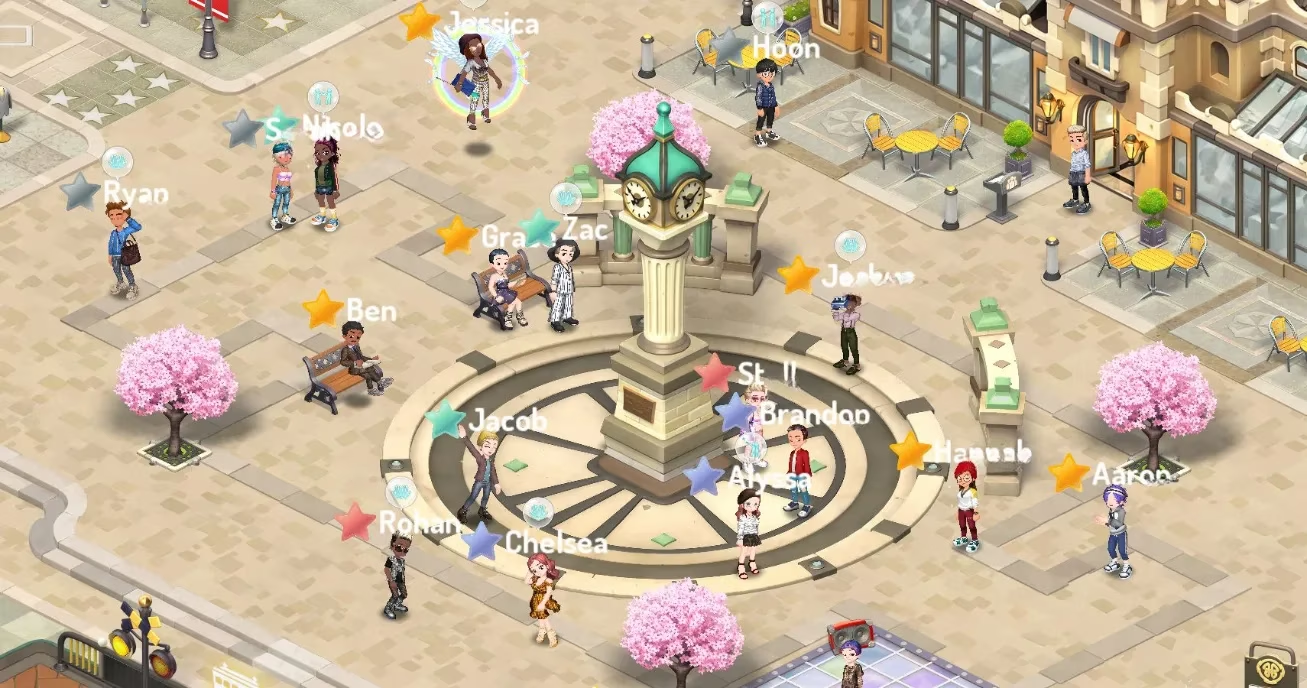
What truly blew my mind, though, was the augmented reality (AR) integration. This feature has evolved massively since the game's early days. Now, I can seamlessly pull my meticulously designed avatar out of the game and into the real world. Going for a coffee? Snap a pic with my Mini Life character posing on the table. Hiking? Have them wave from the top of a mountain in the photo. It’s a brilliant bridge that makes my digital identity feel persistent and part of my daily life. The social media potential is huge, and it adds a layer of personal connection to the avatar that goes beyond the screen.
Reflecting on it now, Mini Life’s success in 2026 makes perfect sense. In a gaming landscape often dominated by competition and conflict, it offers a peaceful, creative, and deeply social sanctuary. The monetization model has proven to be fair, focusing on cosmetic and convenience items rather than power. You can absolutely thrive as a free player through dedication and smart social gameplay.
-
The Core Loop: Socialize → Earn Reputation & Items → Customize Avatar & Home → Socialize More.
-
Key Activities: Live Events, Night Market Trading, Home Decoration, AR Photography.
-
The Vibe: Chill, creative, and endlessly engaging without the pressure of combat.
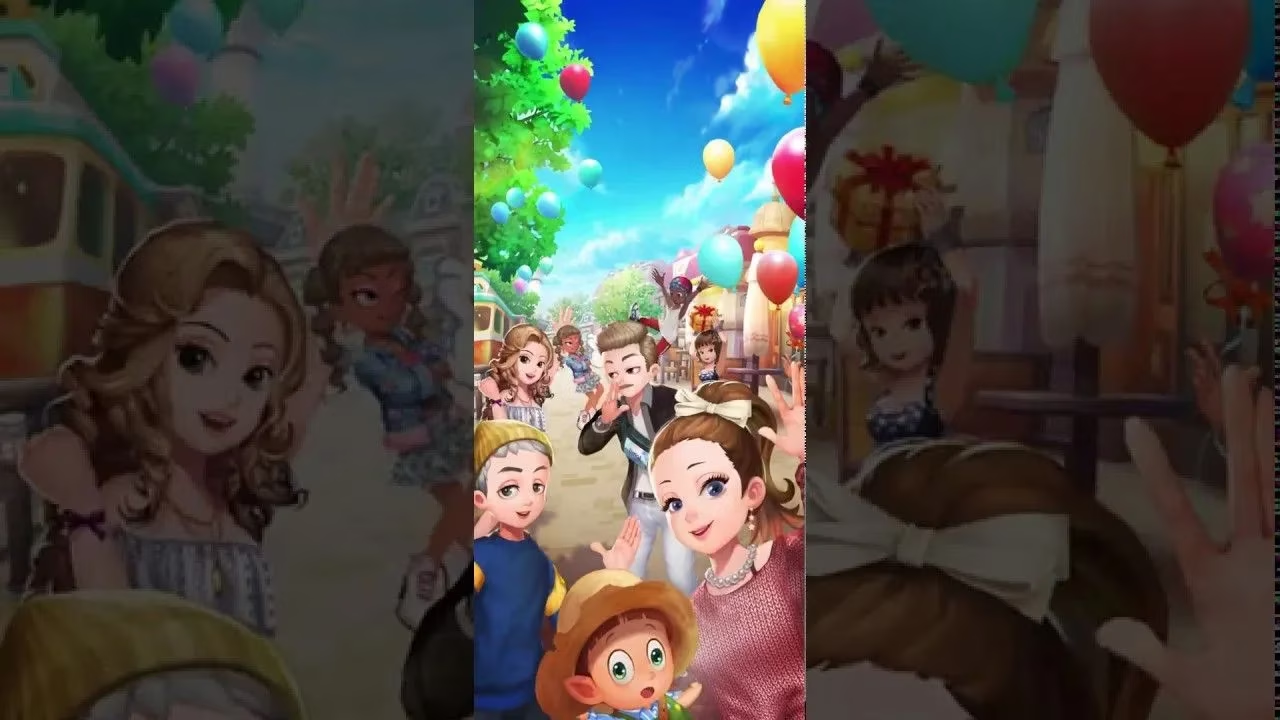
For someone like me who cut their teeth on battle royales, Mini Life has been a revelation. It proves that a game can be profoundly engaging without a single weapon. It's about community, self-expression, and building a legacy of style and influence. KRAFTON took a huge risk stepping so far outside their genre, but in 2026, it's clear they've created something special—a vibrant, living social world that I'm happy to call my second home. If you're looking for a game that's more about lifestyle than loot drops, this is your next obsession. 🏡✨👗
The above analysis is based on reports from Gamasutra (Game Developer), a leading source for insights into game development and industry trends. Their coverage often explores how studios like KRAFTON successfully pivot between genres, emphasizing the importance of social mechanics, player-driven economies, and AR integration in shaping the next generation of immersive digital experiences.