
PUBG: BATTLEGROUNDS region merge improves skill-based matchmaking and cuts queue wait times for faster, fairer lobbies and livelier Arcade modes.
I still remember the night the Region Merge dev letter dropped. I was sitting in the lobby after a squad game that took almost four minutes to pop. I had been bouncing between servers with friends, trying to find matches where we didn't get stomped by players far above our rank or spend half the session waiting. When I read that PUBG: BATTLEGROUNDS would merge some regions, I felt cautious but hopeful. Now that we're well into 2026, those changes have become part of my everyday Battlegrounds routine.
The announcement was backed by serious momentum. Since the first half of 2023, peak concurrent players had risen by an incredible 46%, reaching around 710,000 PCU at the time of the letter. I had noticed the game felt alive again, but in smaller regions the matchmaking pool could still feel thin. The team explained they wanted to reinforce skill-based matchmaking and provide the best possible experience by combining certain regions. Their biggest goal was simple: lower wait times and sharpen the accuracy of skill-based matchmaking.
What Changed for My Squad
I'll be honest—the biggest pain point for me was downtime. Waiting for a match to pop is one of the least fun parts of any battle royale. After the merge, I noticed that larger player pools made queues move much faster. We weren't sitting around as long between drop-ins, and the flow of Normal Match felt much smoother.
But speed was only part of it. The expanded pool also meant more match options. The dev letter promised more party types and perspectives for Normal Match, which opened up new strategies and playstyles. For someone like me who enjoys switching between squads, duos, and solo perspective modes, that flexibility was a welcome change.
Skill-based matchmaking also improved. Instead of wild swings between super easy and brutally hard lobbies, I found myself fighting opponents closer to my level. That made wins feel earned and losses feel like lessons rather than pure mismatches. In smaller regions, fewer real players during off-peak hours often meant more bots. The merge helped reduce that problem in certain time periods and modes, making the experience feel more genuine and competitive.
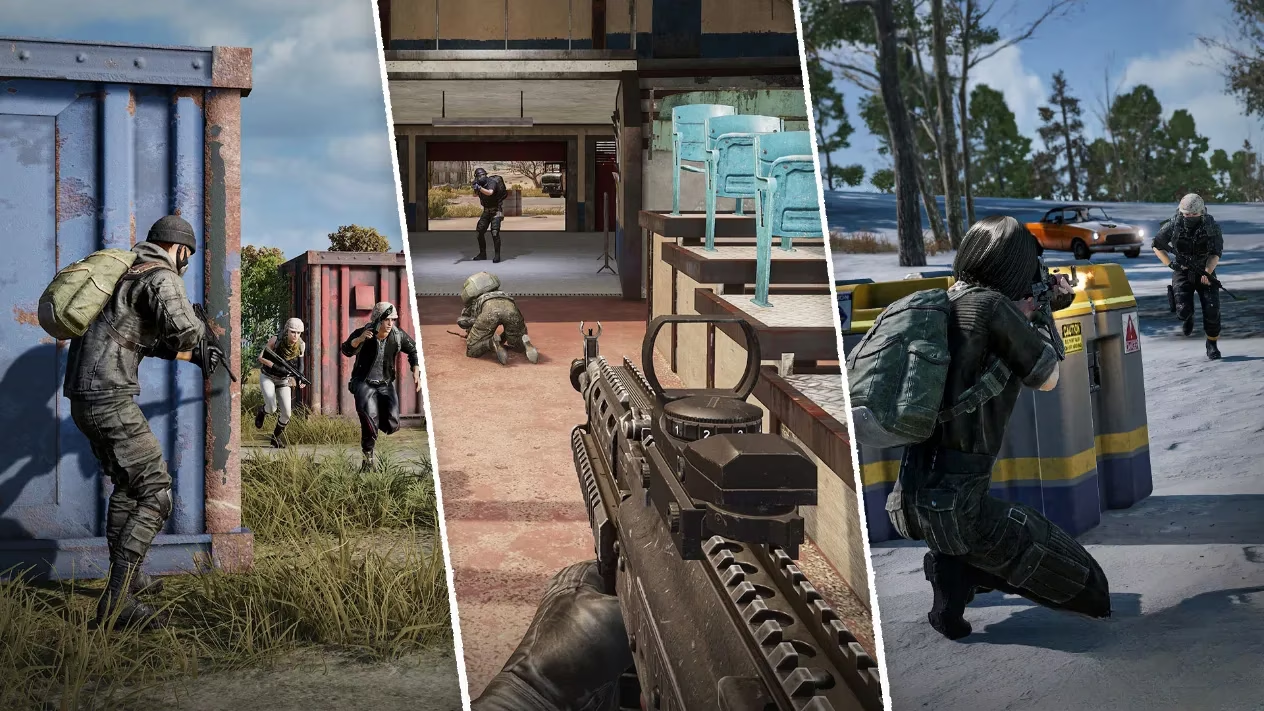
Ranked and Arcade Benefits
Ranked was another area where I felt the difference. Before the merge, finding a tough but fair Ranked lobby could take a while, and the skill range sometimes felt too wide. With the region changes, the Ranked matchmaking pool became more diverse and closer to my rank. I could actually work on climbing without feeling like every fight was a coin flip. The team wanted Ranked to stay challenging while offering long-term growth, and for me that has been the case.
Arcade modes were the surprise bonus. Some regions simply didn't have enough players to support certain Arcade experiences before the merge. The update brought those modes back to players who had been locked out. I'm not someone who loves being told I can't access content, so I appreciated that the team treated this as an important fix.
The Merge Details
The regions that were merged were selected using seven matchmaking factors: platform, player count, time to match, ping, map service, party type/perspective, and skill. The main merge pairs were:
| Merged Region | Combined With |
|---|---|
| AS | SEA |
| AMER | APAC |
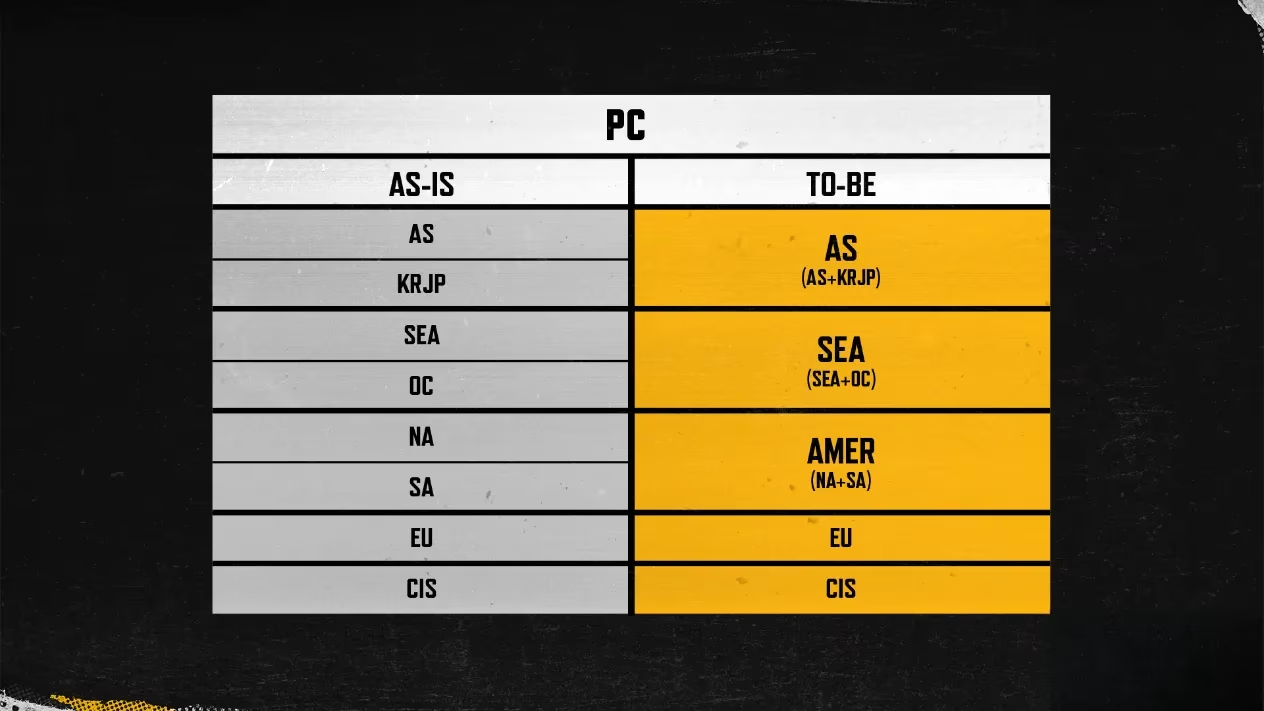
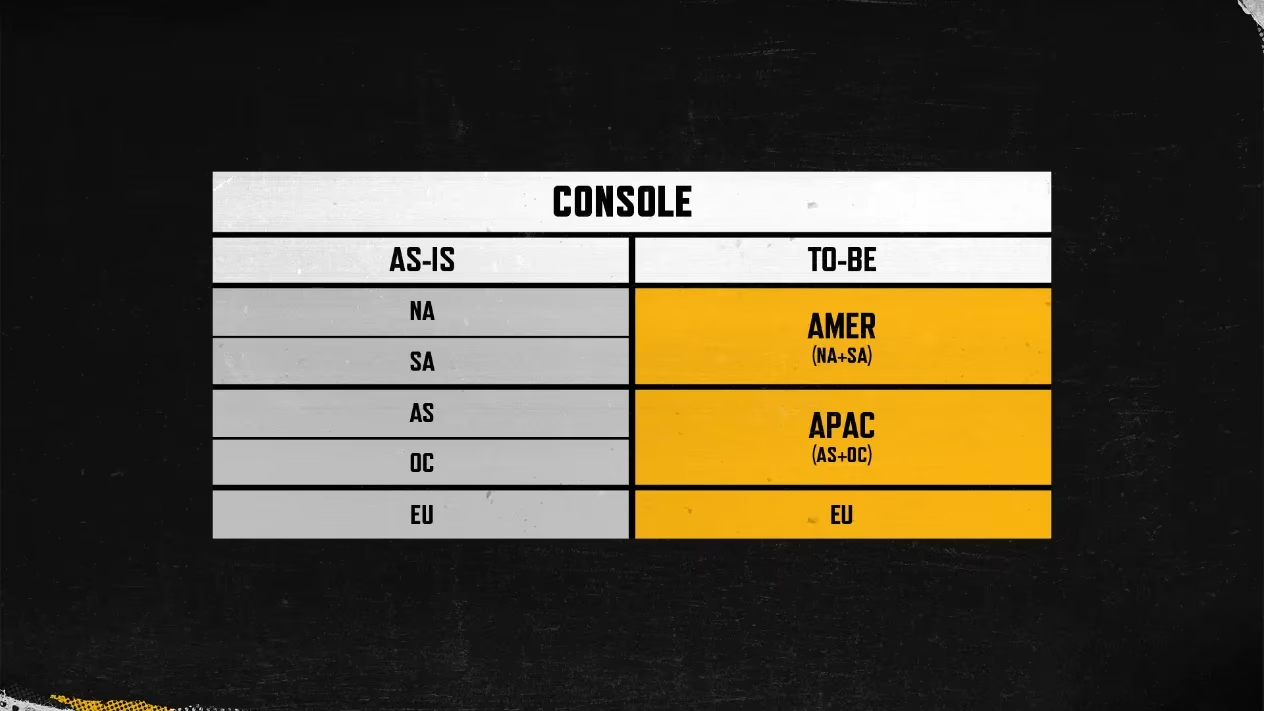
Regions and platforms not mentioned in the announcement were not affected, so some players didn't have to worry about any changes. For me, the transition was seamless. I didn't need to prepare anything on my end.
Questions I Had
The dev letter anticipated the questions I was already asking. Would ping change significantly? What about my gameplay records, items, purchases, or G-COIN? Would there be system changes? For those details, the team said they would release an additional announcement before Update 32.1 in October. That kept me following the news closely, because the last thing I wanted was a surprise about my inventory or stats.
The Ranked leaderboard was one area with a clear answer. The Top 500 would display only 500 players for each merged region. With more players competing, those spots became more competitive. Rewards still followed the existing rule: Top 500 rewards would go to players who reached Master Tier and above.
Map service also changed. Regions had operated with different map rotations, but after the merge the rotation needed to be adjusted. The team said they would consider regional map preferences and usage rates, which made sense to me. I wanted variety without losing the maps my squad loved.
Final Thoughts
Looking back, I was nervous about a big change like this—and I think that's fair. Region merges can sound scary when you're used to a certain server. But the team was clear that they don't make big changes lightly. The hope was that players could forget about long matchmaking times and focus on what matters: having fun and being challenged.
In 2026, I still drop into PUBG with the same goal. The queues are faster, the fights are fairer, and I spend more time actually playing. That's exactly what I wanted from the Region Merge. 🎮