
PUBG Mobile addiction and its societal impact in India spark urgent calls for a ban, highlighting the battle royale game's enduring influence.
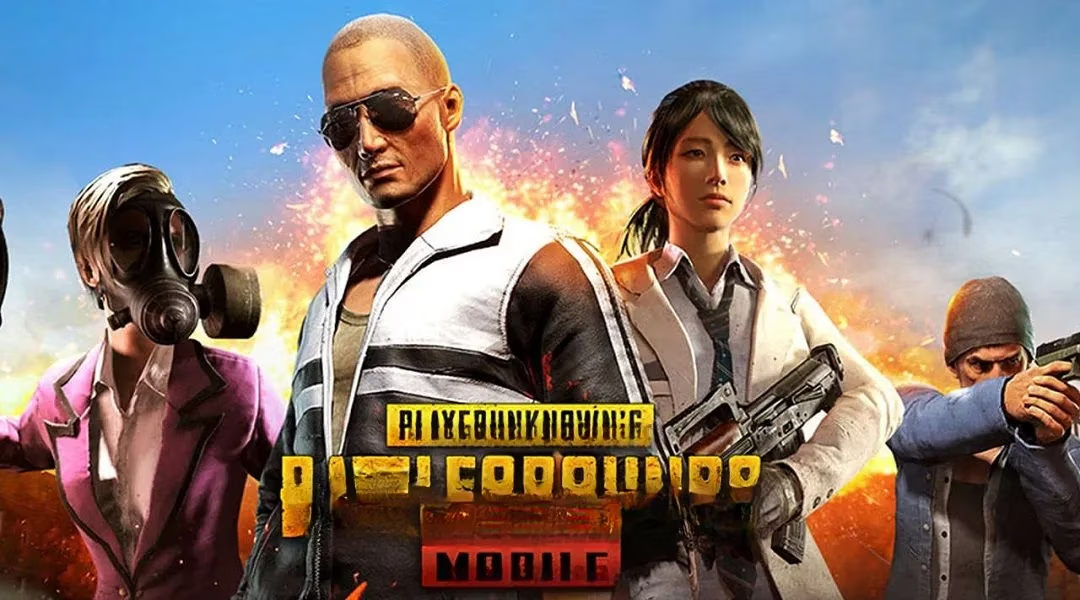
As the digital clock ticks into 2026, the conversation around video games and their societal impact continues to evolve, with a particular focus on the addictive nature of mobile gaming. A recent outcry from India has thrust PUBG Mobile back into the spotlight, raising questions that are far more complex than just aiming for that elusive chicken dinner. The Jammu and Kashmir Students Association has made a startling claim, suggesting that addiction to the popular battle royale title is a graver concern than drug addiction itself. Deputy Chairman Raqif Makhdoomi voiced the group's alarm, pointing to young people seemingly glued to their screens around the clock, their academic performance suffering as a result. This has led to a formal plea for the game's immediate ban, a move that, while dramatic, highlights the intense scrutiny digital entertainment now faces. It’s a classic case of old fears meeting new technology, and boy, does it stir the pot.
This call for prohibition isn't happening in a vacuum. For years, major online games, particularly in the battle royale genre, have been magnets for controversy and calls for regulation. PUBG's chief rival, Fortnite, has repeatedly found itself in the crosshairs of concerned parents and community groups, with online petitions circulating to restrict or ban it for various reasons, from its addictive gameplay loops to its in-game purchases. Yet, outside of specific regulatory environments like China, outright bans remain a rarity. The situation with PUBG Mobile in India underscores a growing global tension: how do societies manage the very real, yet often poorly understood, phenomenon of problematic gaming behavior? It's a question without an easy answer, leaving a lot of room for... well, let's just say, spirited discussion.
What’s perhaps most intriguing about this latest controversy is the game at its center. To some observers, PUBG might seem like yesterday's news, a title that famously saw a significant portion of its player base migrate to newer, shinier competitors during the height of the battle royale craze. But here’s the twist: while the PC version navigated those choppy waters, PUBG Mobile has been quietly thriving. Its popularity on smartphones has remained remarkably consistent since launch. Think of it like that reliable old pair of jeans in your closet—it might not be the trendiest item anymore, but it's always there, comfortable, and still gets the job done for millions. This enduring appeal is precisely what gives the concerns from India such weight; we're not talking about a fading fad, but a persistent cultural touchstone for a generation.
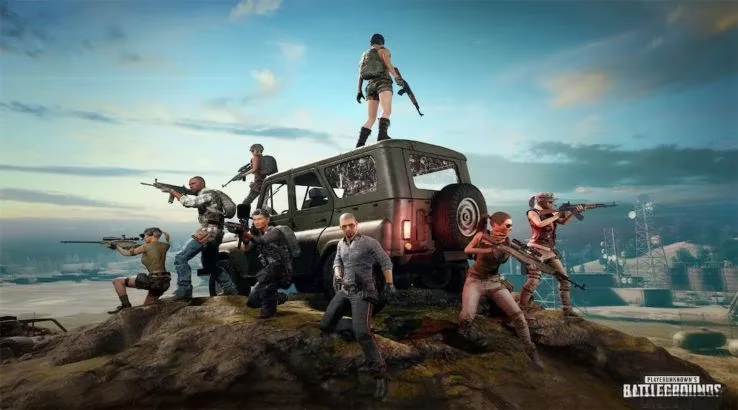
The resilience of PUBG isn't limited to mobile devices. As of 2026, the franchise as a whole is enjoying a notable resurgence. Key factors have fueled this comeback:
-
Platform Expansion: The successful launch on PlayStation consoles opened the game to a massive new audience.
-
Fresh Content: The strategic introduction of new maps and gameplay modes, like the memorable Vikendi snow map, has kept the experience feeling fresh for veterans.
-
Community Focus: Ongoing support and updates have reassured players that the game is here for the long haul.
This momentum has seen concurrent player numbers rebound, solidifying PUBG's position as a major player in the online gaming landscape. The developers face a dual challenge: maintaining this positive trajectory while navigating the complex socio-legal debates around gaming addiction. The threat of regional bans, as seen in the Indian case, represents a tangible business risk. It’s a high-stakes game being played off-screen, where the objectives are societal well-being, creative freedom, and commercial success.
| Factor | Impact on PUBG's Status |
|---|---|
| Mobile Popularity | Provided a stable, massive player base separate from PC trends. |
| Cross-Platform Availability | Being on iOS, Android, PC, and consoles ensures maximum accessibility. |
| Content Updates | Regular new maps and features prevent player stagnation. |
| Addiction Debates | Presents a reputational and regulatory challenge that requires careful management. |
Ultimately, the saga of PUBG Mobile in India is a microcosm of a larger global dialogue. It pits the undeniable entertainment value and social connectivity of modern games against legitimate concerns about overuse and its consequences, particularly for younger demographics. As we move forward, the industry's response to these concerns—through better parental controls, clearer playtime metrics, or educational initiatives—will be just as crucial as the next map update or weapon balance patch. For now, PUBG soldiers on, its legacy defined not just by virtual battles, but by the very real conversations it continues to spark in living rooms and government offices around the world. The final circle, it seems, is far bigger than the game itself.