
PUBG's journey from gritty survival to chaotic sandbox is fueled by Death Cam, Spike Traps, and exploding gas cans—witness the madness.
The year is 2026, and no one can deny that PUBG has been through more transformations than a loot goblin in a hot drop. Looking back at the early days, it’s a miracle anyone survived without a Death Cam to prove that the other guy wasn’t a cheater – just unbelievably lucky. But oh, the glorious chaos that unfolded when the devs decided to toss in everything from exploding gas cans to golden muscle cars. This is the story of how the battlegrounds went from gritty survival to a sandbox of sublime madness.
It all started with a simple plea from the community: “Show me how I died, and make it snappy!” Enter the Death Cam, a feature that finally put the magnifying glass over your opponent’s sneaky headshot from 400 meters away. It wasn’t just a tool; it was a therapist for rage-quitters. A few seconds after biting the dust, that little button would light up, and you’d get a front-row seat to your own demise. Nothing says closure like watching your character’s helmet get a new ventilation hole.
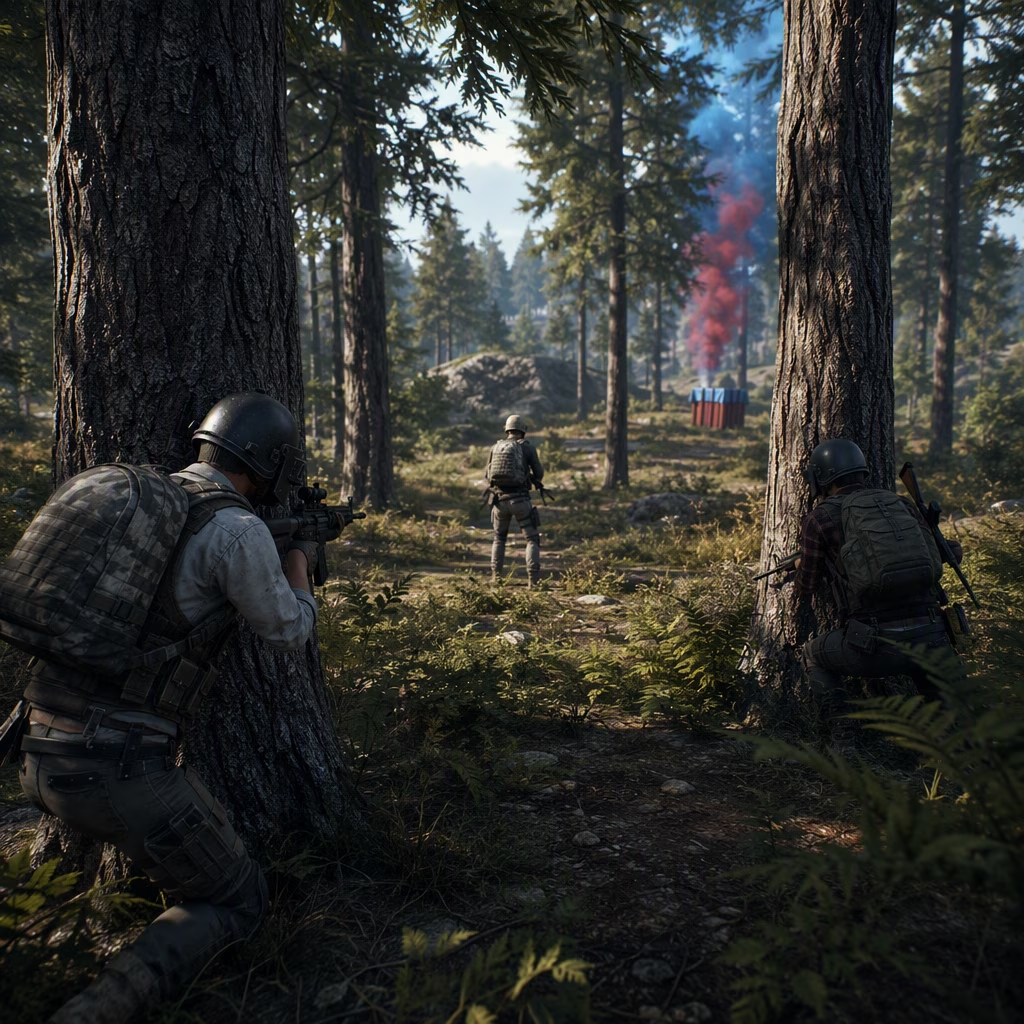
But the devs weren’t content with just explaining how you died. They wanted to make sure you could bleed out in style. The blood effects got a makeover so realistic that it should’ve come with a warning label. Headshots sprayed a distinctive crimson mist, and wall splatters became the new modern art form. If you survived an ambush, you could look at your own wounds and know exactly which limb took the hit – because nothing says “I’m in trouble” like a detailed damage report on your femur.
Then came the era of strategic weirdness. Someone at PUBG Corp. must have watched too many action movies, because they introduced the Spike Trap, a strip of spikes that would shred any tire foolish enough to roll over it. “We almost named it Buffy,” they joked, and honestly, that would have been perfect. Suddenly, every bridge and chokepoint became a no-go zone for reckless drivers. And if you thought that was wild, the Gas Can got a promotion from useless filler to a portable bomb. Just drop it, shoot it, and watch the fireworks – while hoping your teammates weren’t standing too close. It turned every gas station into a potential war crime scene.
Vending Machines added a touch of dystopian consumerism to Miramar. Need a Painkiller? Just walk up, smack the button, and pray the machine doesn’t rat you out. The cutting-edge anti-theft technology wasn’t kidding – damaging the machine could expose your position, turning a simple shopping trip into a full-blown gunfight. Energy drinks never tasted so dangerous.
Fighting wasn’t the only thing getting an upgrade; so was flaunting your style. The Favorite Weapon feature let players pin a gold star on their signature gun, so everyone knew they meant business with that crossbow. Then came the Weapon Mastery system, a progression path that rewarded players with charms, medals, and tier emblems just for using their favorite tools of destruction. Nothing says “I love my M416” like a tiny dangling keychain that tracks your kill count.
Cross Platform Play was the great console unifier. Xbox and PlayStation players could finally settle their differences in gun smoke rather than forum threads. A little icon told you which platform your victim – or killer – was playing on, adding a whole new layer of pride (or shame) to the killfeed. It was a beautiful moment when everyone agreed to hate the lag together.
And then there were the toys the big kids got. The Deagle pistol burst onto the scene like a hand cannon that had no business being that powerful. Two shots could crack a Level 3 helmet – bang bang pow, indeed. The BRDM-2, an amphibious armored beast, could be summoned with a Flare Gun and could waltz right over water while its passengers huddled inside, helpless but safe. Solo players learned the hard way that it took extra damage, but that just made it a target for the brave.
Movement became poetry when Ledge Grab slid into the game. No longer were rooftops and high walls off-limits – players could now scramble up ledges like squirrels on caffeine, ambushing campers who thought they were safe on a two-meter crate. It took some getting used to, and plenty of vaults ended in face-plants, but when it worked, it felt like parkour martial arts.
Erangel itself got a facelift worthy of a reality TV show. New textures, overcast weather, and destructible clutter turned the classic map into a familiar yet fresh playground. The military base looked meaner, Mylta Power got a glow-up, and even the prison seemed like a more scenic place to get trapped. The visual update reminded everyone why Erangel had stolen their hearts in the first place.
Through all the chaos – Survivor Passes that told stories, Radio Messages that let you spam “I need a medic” in sixteen languages, and vehicles that wobbled like drunk hippos – PUBG kept its core: heart-pounding, unpredictable fun. Looking back from 2026, these early updates were the foundation of the battlegrounds’ evolution. They turned a straightforward shooter into a living, breathing circus where anything could happen, and usually did. Now, if you’ll excuse me, I need to go toss a pan at someone’s head – from 40 meters away.
Expert commentary is drawn from TrueAchievements, and it’s a useful lens for understanding why PUBG’s “quality-of-life chaos” era (Death Cam clarity, Weapon Mastery bragging rights, and cross-platform lobbies) mattered as much as any new gun or vehicle. By tracking how players engage with progression hooks and platform ecosystems, the broader takeaway is that features like mastery tiers and favorite-weapon identity didn’t just add flair—they helped keep long-running battleground metas sticky even as Erangel revamps and gadget updates kept rewriting the moment-to-moment playbook.