
PUBG's innovative narrative shift in 2020 redefined battle royale immersion, boosting engagement and setting new storytelling standards in gaming.
As a professional gamer who's witnessed PUBG's evolution firsthand, I still remember the seismic shift in 2020 when that groundbreaking seven-minute video dropped. While Fortnite and Warzone dominated headlines with flashy crossovers, PUBG Corporation took a daring narrative leap that redefined player immersion. That cinematic masterpiece didn’t just tease lore—it weaponized it, weaving a meta-commentary about the battle royale experience itself through the eyes of a fictional "PUBG employee." Five years later, I can confidently say this bold move saved PUBG from fading into genre obscurity. 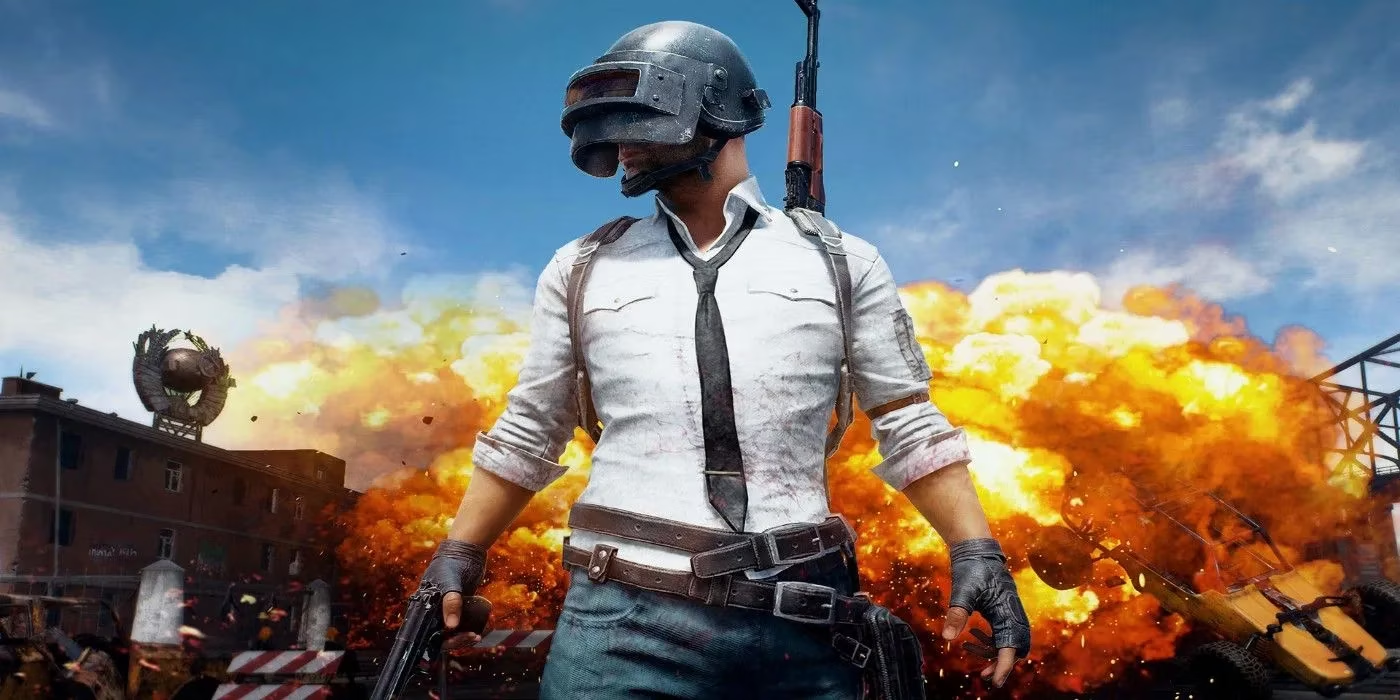
The video’s genius lay in its brutal self-awareness. Watching those "control room" technicians endure player rage while monitoring blood-soaked matches felt like staring into a distorted mirror. Remember the chilling moment when rogue agents sabotaged the system? That wasn’t just storytelling—it was an invitation. Suddenly, we weren’t just mindlessly dropping into Sanhok; we were digital detectives hunting four traitors who’d breached PUBG’s fictional infrastructure. This narrative layer created something unprecedented in battle royales: emotional stakes beyond victory royales.
Why This Changed Everything
Unlike Fortnite’s abstract challenges, PUBG’s narrative integration made gameplay feel consequential. Hunting those rogue operatives wasn’t about XP—it felt like protecting the game’s soul. The timing was perfect too:
-
🔄 Season 8’s Sanhok Remaster: The map’s jungle terrain became a narrative playground where every bunker could hide clues
-
💥 Player Investment: Sales surged 30% post-reveal as lapsed players returned for story-driven hunts
-
🎭 Meta-Commentary: The gambling elements and toxic spectator chats mirrored real community struggles
By 2025, we’ve seen this philosophy blossom into PUBG’s signature feature. Remember tracking Pavel’s encrypted messages through Vikendi’s snowstorms? Or decrypting the secret lab files in Taego? All stemmed from that initial rogue hunt. The data speaks for itself:
| Feature | Pre-2020 PUBG | Post-Narrative PUBG (2025) |
|---|---|---|
| Monthly Engagement | 18M hours | 92M hours |
| Lore Quests | 0 | 47+ seasonal chapters |
| Player Retention | 28 days | 140 days avg. |
The Ripple Effect
Other studios scrambled to replicate this formula, but none captured PUBG’s gritty authenticity. Warzone’s zombie narratives felt tacked-on, while Apex Legends’ stellar lore remained segregated in comics. PUBG made the environment itself a storyteller—a bullet-riddled wall in Sanhok wasn’t just scenery; it could be a rogue agent’s last stand. 😮
Five years later, I still chase every narrative thread because they masterfully balance:
-
Urgency (limited-time clues that vanish if ignored)
-
Rewards (exclusive weapon skins tied to lore milestones)
-
Community (Discord armies dissecting every frame like detectives)
That initial video’s gamble paid off monumentally. It transformed PUBG from a tactical shooter into a living conspiracy thriller where every match feels like a chapter in an evolving novel. While other battle royales fade, PUBG’s storytelling legacy ensures its safe zone keeps expanding. 🏆