
PUBG apologized for performance and network problems, citing hardware issues and DDoS attacks while promising better communication.
In a rare public mea culpa, the developers behind PUBG took to the game's Steam forums to apologize to players for sustained performance and network problems, and to explain what the studio was doing about them. The statement, which remains instructive in 2026 as a case study in live-service transparency, sorted the trouble into two main categories: performance problems tied to a wide range of hardware configurations, and network problems made worse by distributed denial-of-service attacks. A third issue, the developers admitted, was simpler and more self-inflicted: they had not been talking about these problems nearly enough.
⚠️ Performance problems were the first target. PUBG Corp had been collecting feedback and working on issues such as FPS stuttering, outright freezing, and crashes for some time. Yet the studio found that overall performance had actually worsened since the game's major January update. Many of these problems were linked to specific hardware setups or unusual situations that were difficult to reproduce, which made them especially stubborn to fix. Cleaning up performance was described as a top priority. Players who wanted to help could visit the game's official support page and describe their issues alongside their PC hardware; sending in videos that showed specific glitches was also described as very helpful.
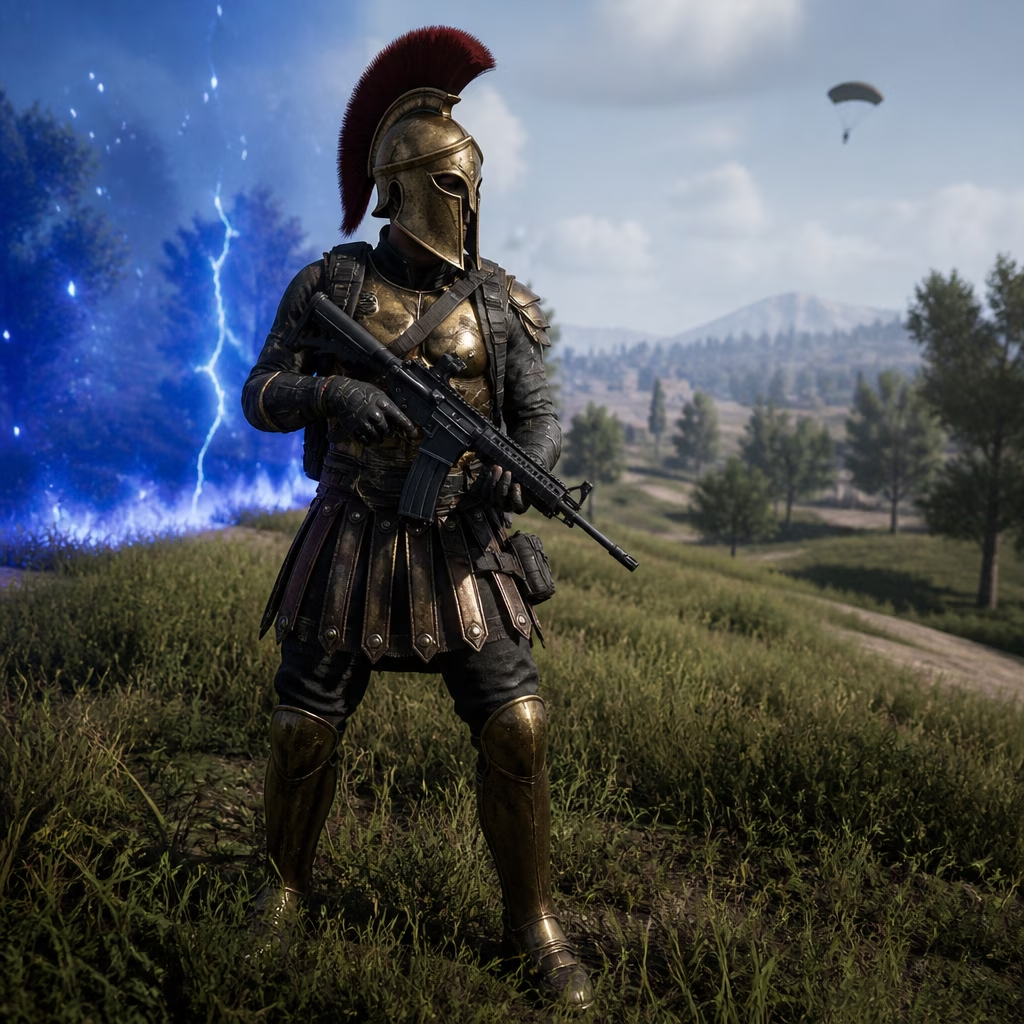
🌐 Network problems were the second front. There was little individual players could do to help here. PUBG Corp revealed that its servers had been the target of increasingly intense DDoS attacks since November, with the attacks becoming even more severe in February. These attacks produced in-game symptoms such as higher ping and more frequent disconnections. The developer worked with external infrastructure providers to bolster its defenses. Testing those defenses also contributed to short-term network problems for players, but PUBG Corp said it arrived at a system that reduced the impact of DDoS attacks by nearly 85%, with further improvements still to come.
🗣️ Communication was the third issue. The developers acknowledged that they simply had not spoken about these problems much, whether to explain what was happening or when fixes might arrive. PUBG Corp promised to be more open with details on these subjects moving forward. That promise matters because technical failures in a live-service game are rarely solved in silence; players need context, and they need to know whether a fix is days, weeks, or months away.
📊 The apology can be summarized as a three-part accountability exercise:
| Problem area | Underlying cause | Developer response | Player role |
|---|---|---|---|
| Performance | Hardware-specific issues and hard-to-reproduce situations, worsened after the January update | Made performance cleanup a top priority; gathered detailed reports and videos | Submit hardware details and footage through official support |
| Network | Intensifying DDoS attacks since November, more severe in February | Worked with external infrastructure providers; reduced attack impact by nearly 85% | Limited; players could report symptoms but could not fix the attacks |
| Communication | Insufficient public explanation and timing updates | Promised more open and detailed communication going forward | Stay engaged and hold the studio to its word |
🛠️ The studio's approach also highlighted a practical difficulty in modern game development: some bugs live in the long tail of PC hardware. A crash that appears on one GPU, driver version, or background application may be invisible on a developer's test machine. That is why the request for hardware descriptions and video evidence was not a public-relations gesture but a diagnostic necessity. Videos can show the exact moment a frame hitches or a client freezes, and hardware logs can reveal patterns that text reports miss.
🌐 On the network side, the DDoS detail was a reminder that not every outage or lag spike originates inside the game. Attack traffic can overwhelm even well-built servers, and mitigation often requires coordination with outside infrastructure providers. The claimed 85% reduction in attack impact was significant, but the wording also implied that the problem was contained rather than eliminated. In 2026, that distinction still matters: defense is a process, not a one-time patch.
🗣️ The communication failure may have been the most avoidable of the three. Players can tolerate difficult bugs more readily when developers explain what is known, what is unknown, and what happens next. Silence, by contrast, invites speculation and erodes trust. PUBG Corp's promise to be more open was therefore as important as any technical fix, because it addressed the gap between the studio's internal work and the player's external experience.
⚠️ For players, the practical takeaways were straightforward:
-
Report performance issues with specific hardware details, not just general complaints.
-
Include video evidence when a glitch is visual or intermittent.
-
Recognize that DDoS attacks are an external threat, not a sign that every server problem is a developer oversight.
-
Expect clearer communication, and judge the studio by whether that transparency continues.
In 2026, the PUBG apology reads less like a one-off statement and more like a template for how live-service teams should handle a rough period. Own the problem. Separate the causes. Tell players what they can do. Explain what the studio is doing. And keep talking. The technical issues were serious, but the admission that communication had also failed gave the apology its credibility.