
The Fix PUBG campaign was a pivotal promise that transformed PUBG's stability and quality, tackling cheaters and performance woes for a fairer game.
Back in the day, when I first dropped into Erangel, it was a wild west—a glorious, janky, heart-pounding mess. We loved it, but man, did we have complaints. In 2018, the developers finally heard our collective cry and launched the 'Fix PUBG' campaign. It was a bold public promise, a roadmap to tackle everything from wonky netcode to cheaters running amok. Looking back from 2026, that campaign wasn't just a patch job; it was a pivotal moment where PUBG Corp. looked us in the eye and said, 'We messed up, but we're gonna make it right.'
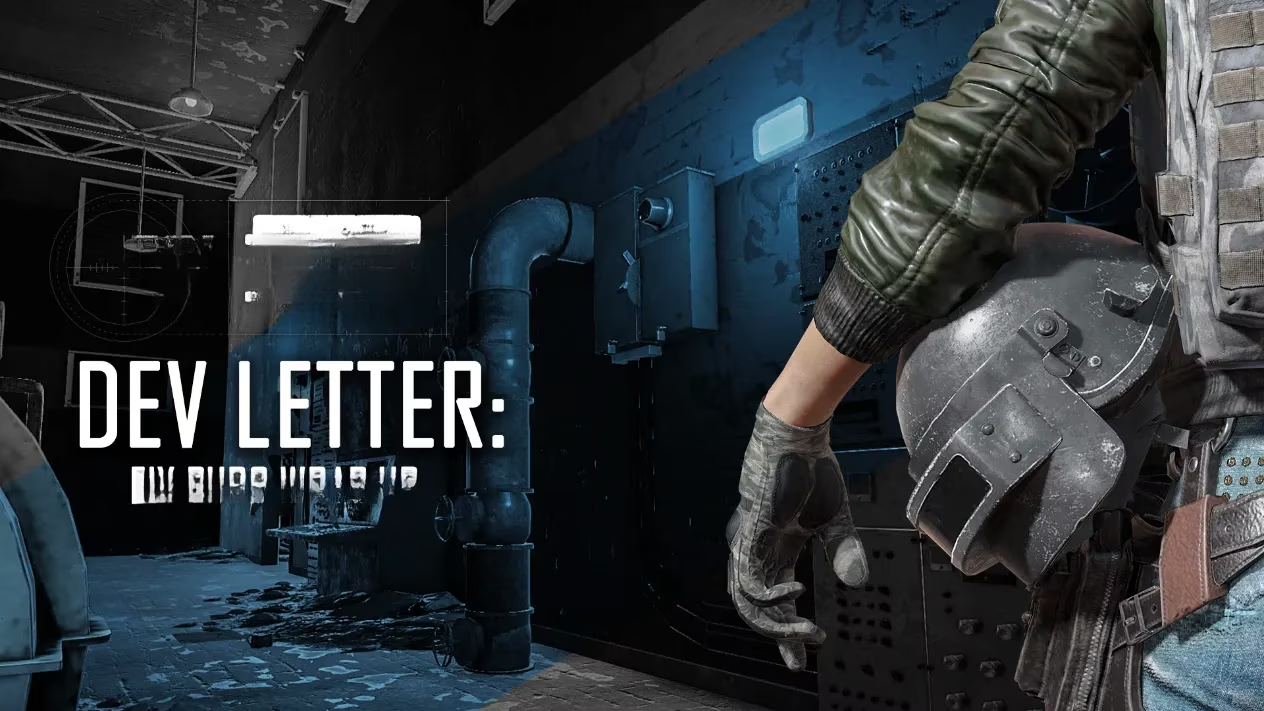
The Wake-Up Call
I remember reading Taeseok Jang's open letter on Steam like it was yesterday. The executive producer didn't sugarcoat things. He admitted they had "overlooked issues that matter to you" and that the team needed to reflect on their mistakes. That level of transparency was a game-changer—it felt like they were finally in the trenches with us players. The 'Fix PUBG' site became our bible, tracking progress on everything from client FPS drops to that one bug where your character would T-pose after exiting a vehicle (good times, not really).
The Grind: What Actually Got Fixed?
The campaign was no walk in the park. For a while, new content slowed to a crawl. But the focus shifted hardcore to the fundamentals. Let me break down what they tackled, based on that final update:
| Focus Area | What Improved | My Take |
|---|---|---|
| Client Performance | Better FPS, fewer hitches, smoother rendering. | Going from a slideshow in Yasnaya Polyana to buttery smooth was a 'hallelujah' moment. |
| Server Performance | Reduced desync, more stable tick rates. | Finally, my shots started landing when they were supposed to! No more 'how did I not hit him?!' rage. |
| Anti-Cheat | Over 2 million accounts banned during the campaign. | The war against cheaters is eternal, but this was a massive blow that made matches playable again. |
| Bug Fixing | A mountain of glitches, from inventory issues to physics quirks. | They fixed the mundane stuff that drove us nuts daily. A true quality-of-life win. |
| Matchmaking | Fairer, faster queue times based on skill and ping. | Less waiting, more fighting against players on my level. It was a total game-changer. |
The Pivot: From Fixing to Building Anew
The official 'Fix PUBG' campaign eventually ended, but the philosophy stuck. Taeseok Jang said it best: "While this is the end of the Fix PUBG campaign, we will go forward in our development, improve our processes, and redouble our efforts with the lessons learned." This wasn't a finish line; it was a new starting point. The goal became "stability and quality-first," even if it meant updates came a bit slower. As a long-time player, I'll take a stable, fair match over a shiny new gun that crashes my game any day.
PUBG in 2026: The Legacy of a Promise
Fast forward to today. The gaming landscape is wild, with new battle royales popping up like daisies. But PUBG? It's still here, and it's thriving. It's not just about being the last man standing anymore; it's about the integrity of the fight. The lessons from that 2018 reckoning shaped everything that came after:
-
Proactive Communication: The devs now consistently engage with the community. No more radio silence.
-
Stability as a Feature: Every new map or weapon is stress-tested to the max before release.
-
The Anti-Cheat Arms Race: They never let their guard down, making it one of the most secure competitive shooters out there.
The game expanded to PS4, the mobile version became a phenomenon in its own right, and the core PC experience on Steam remains rock-solid. Sure, it's not the only big name in town anymore, but it earned a permanent spot in the hall of fame. It's the gritty, tactical alternative that never sold its soul.
My Personal Takeaway
As someone who's been there since the early access days, the 'Fix PUBG' journey was a rollercoaster. There were moments of doubt, for sure. But seeing a company publicly commit to fixing its product, ban millions of cheaters, and fundamentally change its development culture for the better? That's rare. It taught me that in live service gaming, the real battle isn't just on the battleground—it's in the commitment to the players who love it. PUBG went through its own 'git gud' phase, and honestly, it came out stronger on the other side. Here's to many more chicken dinners, with servers that actually work 🍗.