
PUBG's Taego brought back the 8x8 battle royale map in 2021, restoring scale, suspense, and slower tactical pacing.
In July 2021, PUBG did something its veteran players had been asking for: it stretched its legs and went big again. Taego, the game’s eighth map, arrived as an 8x8 sq km battlefield, first on PC on July 7 and then on consoles on July 15. By 2026, that launch looks less like a nostalgic detour and more like a statement of intent. The battle royale had spent years tightening its pace with smaller battlegrounds, and Taego was the moment it remembered how to breathe.
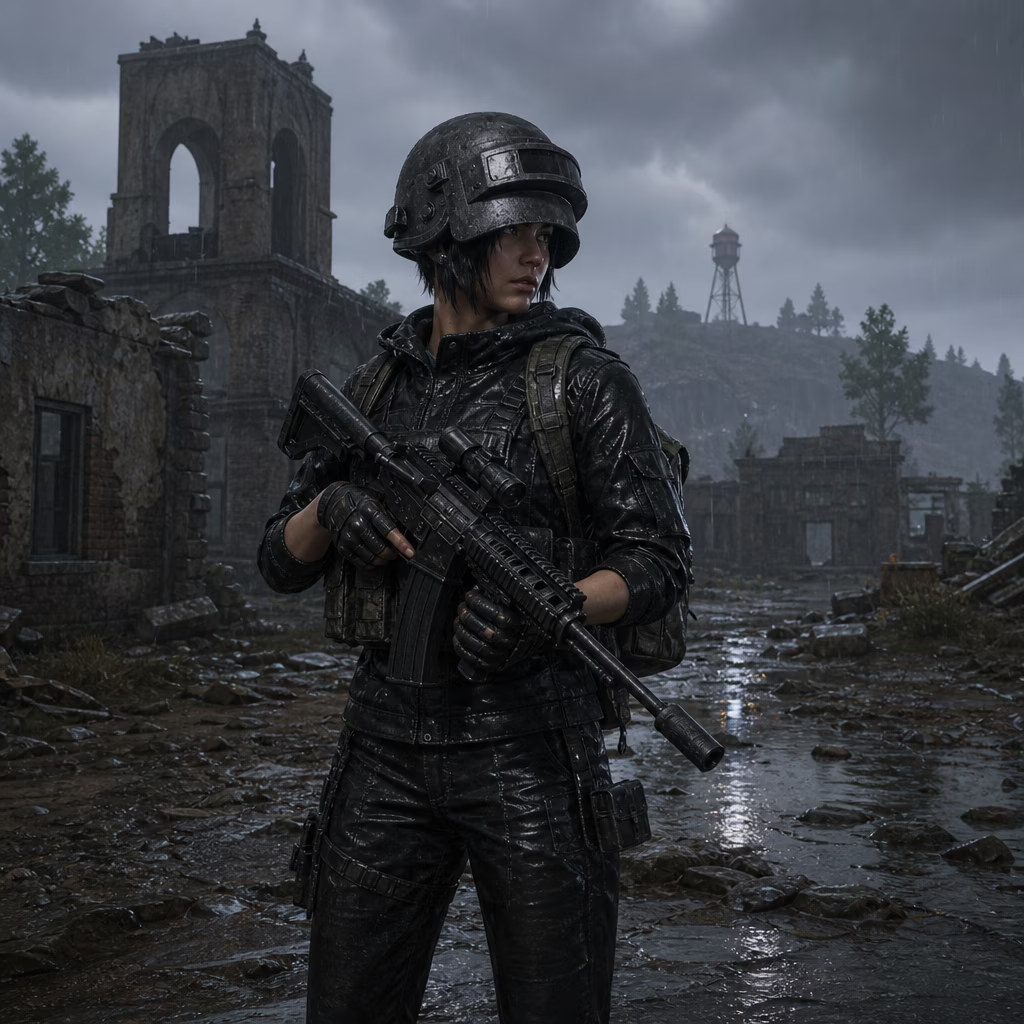
A Homecoming to Korea, and to Scale
Previously known by the codename Tiger, Taego is set in Korea and serves as a homage to the game’s parent company. Its layout teases a smaller island just off the coast of a larger landmass, a geography that invites both hot drops and long, patient rotations. For players who came up on Erangel and Miramar, the sight of an 8x8 map was a reunion. The game had not supported that scale for three years, not since the desert-themed Miramar. In between, PUBG mostly leaned into smaller maps, where players meet more often and firefights come thick and fast. That design has its thrills, sure. But it also sanded away some of the terror that lived in the quiet periods—the long walk through open ground, the distant engine, the suspicion that someone has been watching for a while.
Honestly, that quiet tension is no small thing. It is the reason many players fell for PUBG in the first place.
Why the 8x8 Return Mattered
Taego did not just add square kilometers. It restored a rhythm. Large maps ask players to make decisions earlier: where to land, when to rotate, how much noise to risk. They create space for stories that do not begin with a spray of bullets. A squad can spend ten minutes feeling alone, then discover that every decision has been part of a larger, slower chess match. Smaller maps can feel like a conveyor belt of contact; Taego lets the match exhale.
| Detail | Taego |
|---|---|
| Map size | 8x8 sq km |
| Game debut | Eighth map |
| PC launch | July 7, 2021 |
| Console launch | July 15, 2021 |
| Setting | Korea |
| Working title | Codename: Tiger |
The map’s arrival also answered a wish that had been building in the community. Fans had been asking for the pace and scale of PUBG’s early maps, and Taego handed it back with a new coat of paint. The developers were not treating the moment as a one-off, either. They had already announced Codename: Kiki, another 8x8 map planned to follow Taego, with an expected window of late 2021 or early 2022. That promise mattered. It told players the big-map revival was a direction, not a novelty.
A Different Kind of PUBG Story
By 2026, Taego is no longer the new kid on the block. It sits within a broader PUBG landscape that has continued to evolve, and yet its lesson remains sharp: scale is not just a number on a map. It is pacing, suspense, and the freedom to disappear. The game’s smaller battlegrounds will always have a place—they are loud, quick, and easy to love—but they cannot replicate the slow dread of an 8x8 field. Taego gave that dread back to the players, and it did so with a respectful nod to the country behind the game’s parent company.
The map’s legacy is also a reminder of how PUBG Corp. has grown. Around the same period, the company had other projects in motion, including The Callisto Protocol, a horror title from the makers of Dead Space with a supposed PUBG connection, and job listings that hinted at an unannounced sci-fi shooter featuring monsters and mechs. Those projects show a studio willing to experiment. Taego shows the same instinct pointed back at the battle royale itself.
For veteran players, the return to 8x8 was a chance to feel small again—in the best way. The map does not hold your hand. It lets silence do some of the talking. And in a genre that often mistakes noise for excitement, that is a rare and welcome thing.
Data referenced from GamesRadar+ helps reinforce why Taego’s arrival resonated so strongly with long-time PUBG fans, especially as larger battlegrounds tend to restore the deliberate pacing, wider rotations, and higher-stakes mid-game tension that many players associate with the battle royale’s original identity.