
Video game addiction and PUBG's battle royale obsession devastate families, sparking urgent debate and global concern in 2026.
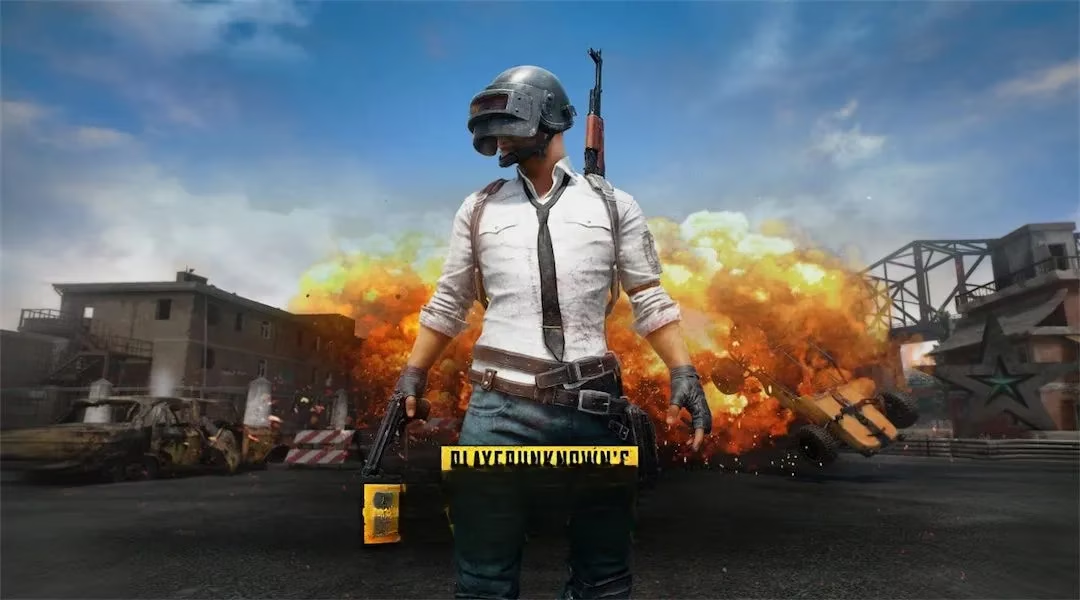
In the digital landscape of 2026, the specter of video game addiction continues to cast long, troubling shadows, its narrative forever intertwined with the meteoric rise of battle royale titans. A recent, viral social media storm has reignited the fierce debate with a tale so extreme it borders on the unbelievable: a man, allegedly, abandoned his pregnant wife and their existing child, not for another person, but for a virtual battleground. The culprit? An all-consuming obsession with PlayerUnknown's Battlegrounds (PUBG). Could a game truly possess such power to unravel the very fabric of a family? The story, shared widely online, claims the man was initiated into the world of PUBG by his siblings, a seemingly innocuous introduction that spiraled into an all-night, everyday compulsion. Work responsibilities fell by the wayside, replaced by the relentless pursuit of chicken dinners, leading to escalating domestic arguments. The final, heartbreaking act was his reported departure from the family home about a month prior to the post's circulation. While the anonymity of the individuals involved leaves room for skepticism—could this be a fabricated cautionary tale?—it serves as a dramatic lightning rod for a very real and recognized global issue.
The Unseen Enemy: When Play Becomes Pathology
Let's be clear: this is not about casual gaming. The World Health Organization's landmark classification of "Gaming Disorder" as a legitimate mental health condition has moved the conversation from parental concern to clinical reality. We're talking about a pattern of behavior so severe it takes precedence over all other life interests and daily activities. The alleged case of the abandoning husband mirrors symptoms outlined by experts:
-
Preoccupation with gaming (thinking about it constantly).
-
Withdrawal symptoms (irritability, anxiety) when not playing.
-
Loss of interest in previous hobbies and social engagement.
-
Continuation or escalation despite negative consequences (like failing at work or destroying relationships).
Isn't it chilling to see a real-world scenario tick every single box? This case, verified or not, is a grotesque caricature of a problem that has seen people, including teenagers, reportedly checking into rehabilitation centers specifically for addictions to games like Fortnite—a title cited in hundreds of divorce filings in the UK alone in recent years.
The Ripple Effect: Beyond the Individual Player
What makes these battle royale games particularly potent? Their design is a masterclass in engagement, exploiting psychological triggers that can hijack the reward systems of vulnerable individuals.
-
🎯 The "One More Match" Syndrome: The short, intense match structure creates perfect conditions for compulsive replay.
-
🏆 Unpredictable Rewards (Loot Boxes & Wins): The variable ratio reinforcement schedule is powerfully addictive—you never know when the next win or rare item will drop.
-
👥 Social Obligation & FOMO: Playing with a squad creates social pressure to keep up, fueling Fear Of Missing Out on team strategies and shared victories.
The impact radiates outward. For the family left behind, it's not just about neglect; it's a profound emotional abandonment. A partner becomes a ghost in the house, physically present but mentally entrenched in Erangel or Miramar. Children are ignored, household duties neglected, and shared futures jeopardized for a virtual survival ranking. The financial toll can be staggering too, with in-game purchases draining resources. Can a pixelated victory truly be worth such a devastating cost?
A Global Dilemma: Bans, Backlash, and the Search for Solutions
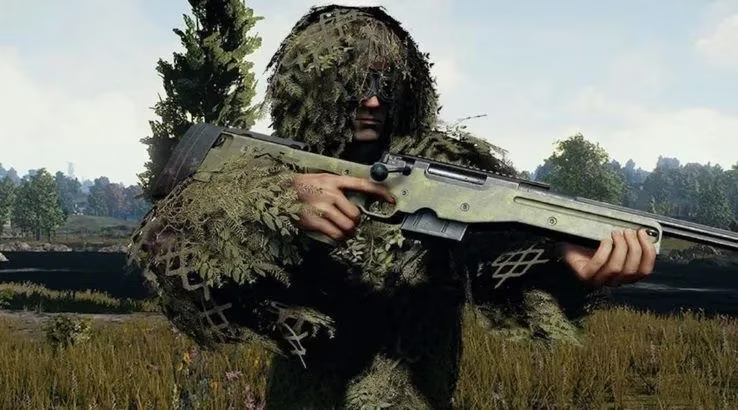
This incident has powerfully echoed in regions already on high alert. India, for instance, has a fraught history with PUBG Mobile, having implemented temporary bans in the past over concerns about addiction and data privacy. Prominent organizations have repeatedly called for permanent government action. The viral story of family abandonment adds explosive fuel to these calls. Will 2026 see more nations following a restrictive path? The debate is polarized:
| Argument for Stricter Regulation/Bans | Counter-Argument & Industry Perspective |
|---|---|
| Protects vulnerable demographics (minors, those predisposed to addiction). | Punishes the majority of responsible players for the actions of a minority. |
| Addresses tangible societal harms (falling academic performance, family breakdowns). | Games are a form of entertainment and art; regulation is a slippery slope to censorship. |
| Forces developers to design more ethically and implement robust parental controls. | Parental responsibility and individual accountability are key, not outright bans. |
Navigating the Future: Awareness Over Alarmism
So, where do we go from here? Demonizing all gaming is not the answer—the vast majority of players engage healthily. The path forward requires a multi-faceted approach:
-
Increased Public & Professional Awareness: Doctors, therapists, and families need better tools to identify early warning signs of Gaming Disorder.
-
Ethical Game Design: Developers must take greater responsibility, implementing meaningful play-time limits, spending caps, and transparent warnings, moving beyond superficial "digital wellness" features.
-
Robust Support Systems: Accessible and affordable counseling and support groups specifically for gaming addiction and affected families are crucial.
-
Media Literacy Education: Teaching critical thinking about game mechanics and time management from a young age is essential.
The viral tale of a man choosing a battle royale over his family is a modern tragedy, a stark warning sign on the digital highway. Whether every detail is factual is almost secondary; its power lies in its symbolism. It represents the extreme potential consequence of an unchecked behavioral loop. As we advance further into this digital age in 2026, the challenge is clear: we must learn to harness the incredible engagement of interactive entertainment without letting it consume the very lives it's meant to enhance. The mission isn't to destroy the battlegrounds, but to ensure players always have a clear and welcoming path back home.